
The digital entertainment has become very social. Although games, in the past, were mostly played by individuals, the new digital platforms, enable players to engage with each other, collaborate and communicate with people, located at the other end of the globe. One of the most important aspects of the gaming environment making it enjoyable and entertaining is the social interaction aspect.
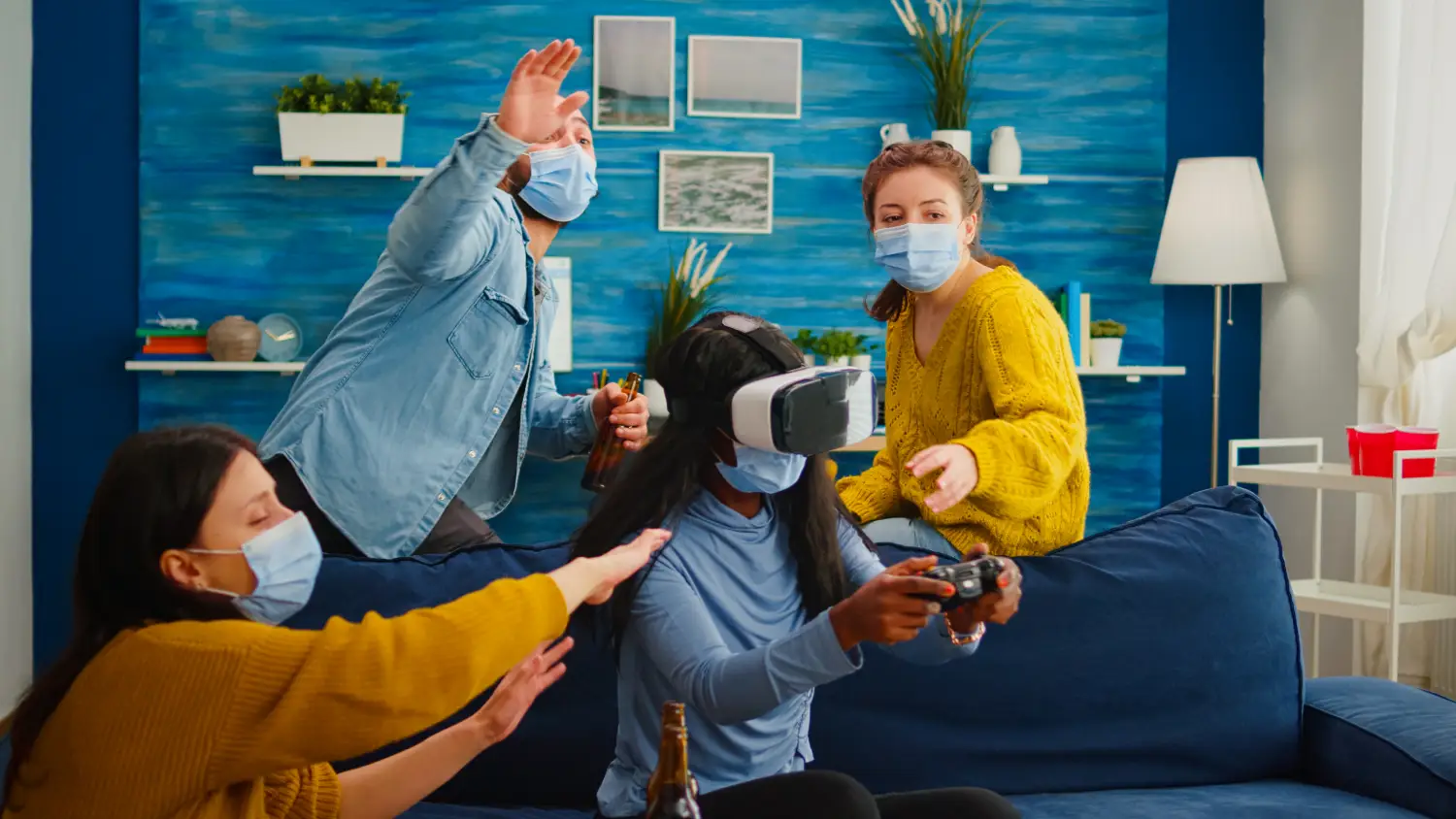
Most of the contemporary games have multiplayer options which motivate players to play in common environments. Gamers have a chance to play in teams, accomplish missions, or to play friendly matches with others in real time. Communication, cooperation and strategy are usually needed in these interactions and this solidifies the bond between the participants.
Social gaming has also been made more available by online communication tools. There are voice chats, messaging systems and in-game communication features that enable the players to organize their actions and share ideas on how to play the game. Such aspects render the experience more active and engaging.
Online gaming worlds also aid individuals in making new friends. Gamers who share time together during games would also have to stay connected to each other even after the game in online communities and social sites. Games may have a long-term friendship and a working experience, as there are common interests.
Community participation is another aspect of social gaming. Events, challenges and tournaments are held on many gaming platforms, which unite players. The activities also promote participation and enable the players to share their success with a team.
Competitive activities do not involve social interaction in gaming. There are also numerous games involving a cooperative experience where a group of players collaborate towards shared goals. Such mutual successes put up unforgettable moments that enhance community ties.
Digital entertainment platforms also stimulate players to share moments of their gaming, screenshots, and highlights with other players. These common experiences can be used to create a buzz and keep community active circles in the wake of top games.
Social interaction will still be one of the main aspects of the gaming process as digital entertainment has been increasing in popularity. It makes modern gaming more engaging and interesting as it is possible to interact with people with the help of similar virtual space.
FITZGERALDSCASINORENO.NET addresses the way social interaction in digital gaming systems is persisting to define contemporary entertainment and empower gaming communities in the world. these intervals, stress accumulates silently over time.
One major benefit of recreational rhythm is emotional stability. Regular breaks allow the nervous system to reset, preventing excessive stress responses. This consistency maintains a steady emotional baseline and reduces vulnerability to mood fluctuations.
Recreational rhythm also enhances productivity. Continuous work without recovery decreases efficiency and increases errors. Short, scheduled recreational intervals restore concentration and improve cognitive performance.
Another important aspect is the prevention of emotional overload. By releasing tension regularly, individuals avoid the buildup of unresolved stress that leads to burnout symptoms such as fatigue, irritability, and loss of motivation.
Social recreational rhythm further supports emotional resilience. Regular shared leisure activities strengthen relationships and provide emotional support systems that buffer stress.
Mental recreation awareness highlights flexibility within recreational rhythm. The goal is not rigid scheduling but sustainable balance that adapts to changing needs.
Ultimately, establishing a recreational rhythm transforms relaxation into a proactive strategy for long-term well-being. Consistent, intentional recreation safeguards emotional energy and prevents burnout effectively.ical well-being.